

Educational Programs
OLHPS offers a comprehensive curriculum that challenges learners to reach their full potential. Through a rigorous academic program, students develop critical thinking skills, problem-solving abilities, and a love of learning. Our dedicated faculty is committed to providing a supportive and inspiring learning environment.
What We Offer
Early Childhood Education - ECE
This Program of the school includes Nursery, Pre-Kinder, and Kindergarten. It aims to foster the holistic development of young learners—spiritually, emotionally, cognitively, physically, morally, and socially—within the context of their unique experiences. The program prepares children to become independent, confident, and capable individuals, ready to meet the growing demands of formal schooling and life

Guided by Developmentally Appropriate Practices (DAP), the ECE program ensures that all learning experiences are meaningful, engaging, and aligned with each child’s age, abilities, and interests. DAP emphasizes active, hands-on learning through play, exploration, and discovery—building a strong foundation for lifelong learning. By honoring each child’s developmental stage, the program maximizes individual potential and nurtures a love for learning in a supportive and respectful environment.
Grades School (Grades 1-6)
The Grade School Program offers quality basic education from Grades 1 to 6, designed to build strong foundations in literacy, numeracy, values formation, and critical thinking. Grades 1 to 5 follow the Revised K to 12 Curriculum, which emphasizes foundational skills, improved learning approaches, and responsive content to better prepare learners for future academic and real-life challenges. The curriculum aims to provide a learner-centered, inclusive, and values-driven education, rooted in the school’s commitment to holistic formation and academic excellence.

Grades School Learning Areas
OLHPS is compliant to the DepEd’s K-12 Curriculum. It has the following learning areas with Religion as the core.
- Christian Living Education / Good Manners and Right Conduct (GMRC)
- English & Reading
- Mathematics
- Science
- Filipino
- Araling Panlipunan (AP) /Makabansa
- Music, Arts, Physical Education, and Health (MAPEH)
- Edukasyong Pantahanan at Pangkabuhayan (EPP)
Inclusive Education Program
The School committed to providing quality Catholic education that embraces the uniqueness of every learner. By recognizing diverse needs and integrating faith formation with tailored support, OLHPS fosters an inclusive environment where all students can thrive academically, socially, and spiritually. Every child is empowered to reach their fullest potential and grow in faith, while their God-given gifts are valued and nurtured.
Multiage Approach
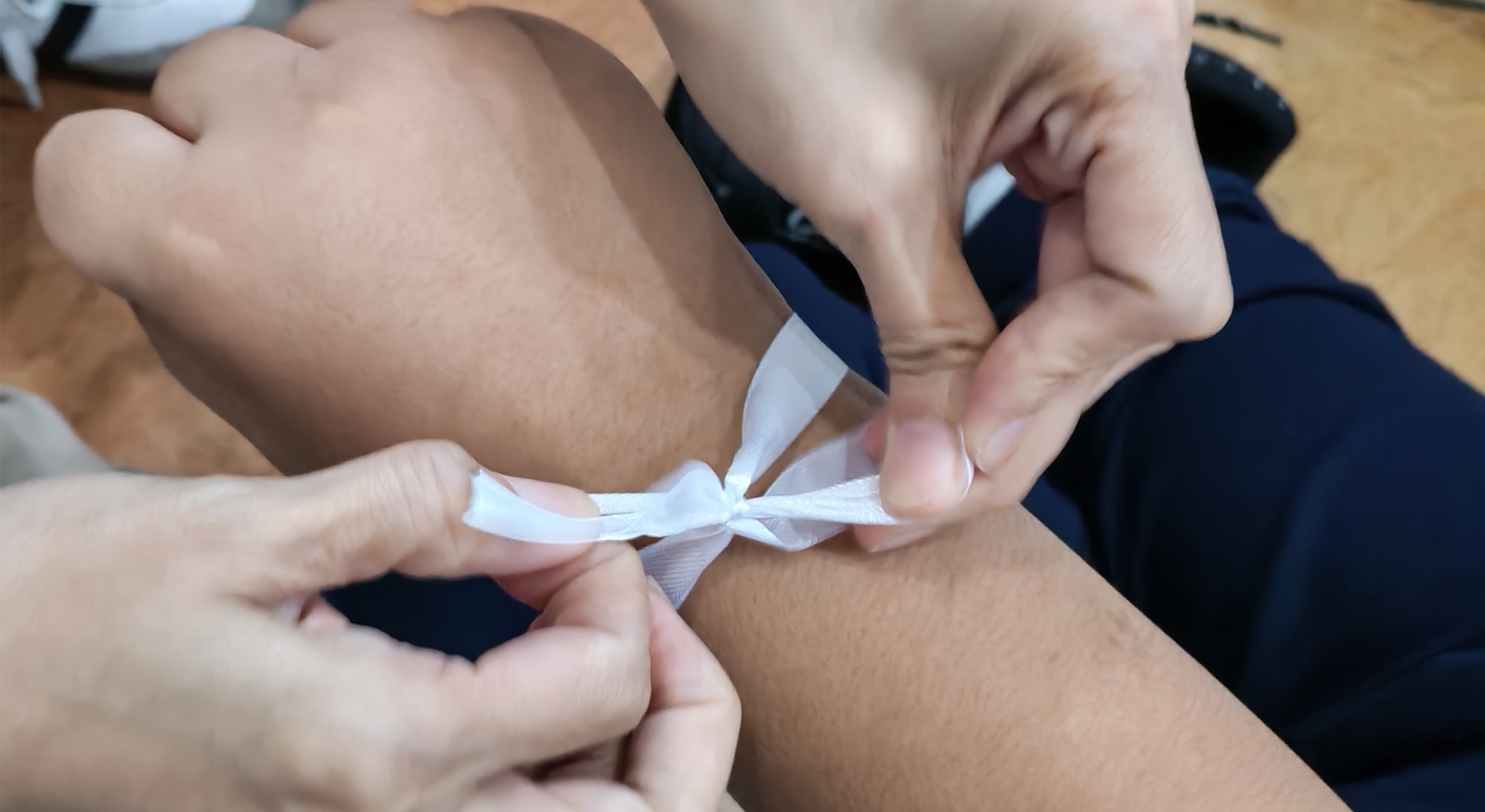
The Multiage/Multigrade Approach combines learners of different grade levels in one classroom, allowing them to learn together in a collaborative and supportive environment. It promotes peer learning, flexible teaching, and differentiated instruction based on individual needs, interests, and developmental readiness. This approach nurtures independence, respect for others, and a sense of responsibility—fostering both academic growth and social-emotional development.
Dynamic Learning Program (DLP)
The Dynamic Learning Program (DLP) is an innovative and learner-centered approach that focuses on independent learning, mastery of key concepts, and critical thinking. At the heart of the program is the Learning Activity Sheet (LAS)—a structured, self-contained tool that guides students through daily lessons, allowing them to learn at their own pace with minimal teacher intervention.
DLP is anchored on its four non-negotiables:
- Parallel Class Scheme – Each class session is structured so that the learner spends 20–30 minutes working independently on self-paced tasks using the LAS, followed by 20–30 minutes of guided learning through teacher-led discussions or clarifications.
- Learning Activity Sheet – Learning is centered on independent learning through the use of the intentional and well-thought-of instructional material which is the Learning Activity Sheet.
- Comprehensive Learner Portfolio – Each learner compiles their work, showing progress and mastery over time through the comprehensive learner portfolio which form part of their Performance Tasks.
- Strategic Rest and Homework Reduction – No written homework is given; instead, learners are encouraged to rest and recharge after school hours.
TRIMESTER SCHOOL CALENDAR
OLHPS observes a trimester school calendar. The trimester scheme offers sufficient time for the students to master the basic concepts and principles in each learning area while providing the teachers adequate period to evaluate students’ learning through written work or by formative and summative assessments, performance tasks, and trimester assessment. The school calendar is allocated into trimester period scheduled as follows:
First Term: June – September
Second Term: September – December
Third Term: January – March
Non-Academic Programs
Wellness Wednesday Program
Aims to promote holistic health for students. It offers various wellness initiatives that address spiritual, mental, socio-emotional, and physical well-being.
Basic Faith Formation Program
Focus on nurturing the spiritual growth and faith formation of students. These programs provide opportunities for prayer, reflection, and service, adopting a deeper connection to Catholic teachings and values.
Computer Program
Comprehensive plan that outlines the integration of technology into the curriculum and instruction. It aims to equip students with essential digital literacy skills and prepare them for the digital age.
Reading Program
Comprehensive plan designed to improve students’ reading skills. It typically involves a combination of strategies, activities, and resources to help students develop fluency, comprehension, and a love of reading.